Silicon Carbide Heating Element (SiC Heating Element) is widely used in the ceramic industry due to its excellent high-temperature resistance, oxidation resistance and efficient heat transfer characteristics. From the production of traditional ceramic products to the sintering of modern high-performance ceramics, SiC heating elements provide a stable and reliable high-temperature environment for ceramic processing. This article will discuss its specific applications in the ceramic industry and the advantages it brings.
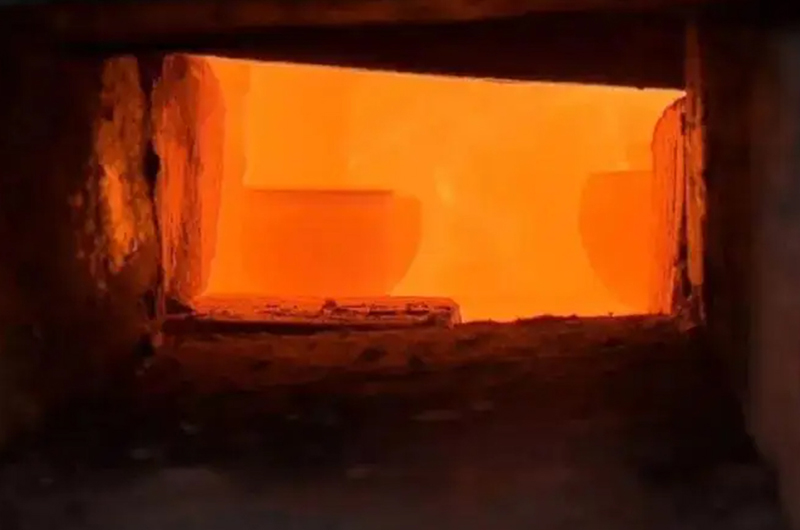
Ceramic industry on the demand for heating elements
The core of ceramic production is a high-temperature sintering, whether it is daily ceramics, architectural ceramics or industrial ceramics, need to be molded and cured at a specific temperature. This process places high demands on the heating equipment: not only does it need to reach and maintain high temperatures of 1000°C to 1600°C, but it also needs to ensure that the temperature is evenly distributed in order to avoid cracks or uneven properties. In addition, heating elements need to be long-lasting and oxidation-resistant to cope with long operating times and oxidizing environments in the air. Silicon carbide heating elements meet these needs and are ideal for the ceramics industry.
1. Traditional ceramic sintering applications
Silicon carbide heating elements are widely used in tunnel kilns, shuttle kilns and roller kilns for the production of traditional ceramic products such as porcelain, brick and sanitary ceramics. Their ability to provide stable high temperatures (typically between 1,200°C and 1,400°C) ensures that the mineral components in the clay raw material react sufficiently to form a hard ceramic structure. At the same time, the protective film of silicon dioxide (SiO₂) formed on the surface of the SiC elements allows them to perform well in oxidizing atmospheres, extending their service life and reducing the frequency of kiln maintenance.
In porcelain firing, for example, the uniform heating characteristics of silicon carbide heating elements prevent cracks in the blanks due to excessive temperature differences. This stability is essential for the production of high-quality tableware and decorative porcelain. In addition, its efficient thermal conductivity shortens the sintering cycle and improves production efficiency.
2. Application in the manufacture of high-performance ceramics
As technology advances, high-performance ceramics (such as alumina ceramics, silicon nitride ceramics and silicon carbide ceramics themselves) are increasingly in demand in the aerospace, electronics and medical fields. These ceramics often need to be sintered at higher temperatures (1400°C to 1600°C or even higher) to obtain excellent mechanical strength and wear resistance. Silicon carbide heating elements are the preferred choice for such high-temperature sintering furnaces due to their maximum operating temperature of 1600°C or more.
During the sintering of alumina ceramics, SiC elements provide precise high-temperature control to ensure uniform grain growth, thus enhancing the hardness and corrosion resistance of the material. In the production of silicon carbide ceramics, the use of heating elements made of the same material also reduces impurity contamination and ensures high purity of the product. This is particularly important in the manufacture of precision components such as bearings, cutting tools or high-temperature seals.
3. Energy saving and environmental benefits
The high thermal efficiency of silicon carbide heating elements in the ceramic industry also brings energy-saving advantages. Their fast temperature rise and uniform heat distribution reduce energy waste, especially in large-scale continuous production. Compared with traditional metal heating elements, the low energy consumption and long service life of SiC elements reduces the operating costs of the kiln, as well as the waste generated by frequent element replacement, which is in line with the modern ceramic industry’s requirements for environmentally friendly production.
4. Practical examples of applications
In China’s Jingdezhen porcelain production base, many kilns have been commonly used silicon carbide heating elements to improve product quality and production efficiency. And in Europe’s building ceramics industry, such as Italy’s ceramic tile manufacturers, SiC elements are used in large roller kilns to ensure that large batches of tiles maintain consistent color and strength when sintered at high temperatures. These examples demonstrate the wide applicability of SiC heating elements in the global ceramics industry.
Precautions in use
Despite the excellent performance of silicon carbide heating elements in the ceramics industry, a number of precautions need to be taken when using them. For example, prolonged operation in reducing atmospheres (e.g. kilns containing hydrogen or carbon monoxide) may weaken their antioxidant film, so suitable protection needs to be selected according to the sintering process. In addition, mechanical impacts should be avoided during installation to prevent its brittleness from causing fracture.
Conclusion
Silicon carbide heating elements in the ceramics industry covers the traditional ceramics and high-performance ceramics sintering process, its high temperature resistance, oxidation resistance and high thermal efficiency and other characteristics significantly improve the quality and efficiency of production. Silicon carbide heating elements will become more and more important as the demand for high-quality and environmentally friendly production in the ceramics industry continues to grow. In the future, through the optimization of the design and manufacturing process, its application potential in the field of ceramics will be further released, injecting new vitality for the development of the industry.

 English
  Español
  日本語
日本語  한국어
한국어  Русский